Core Runtime
Real-time control loop and state discipline
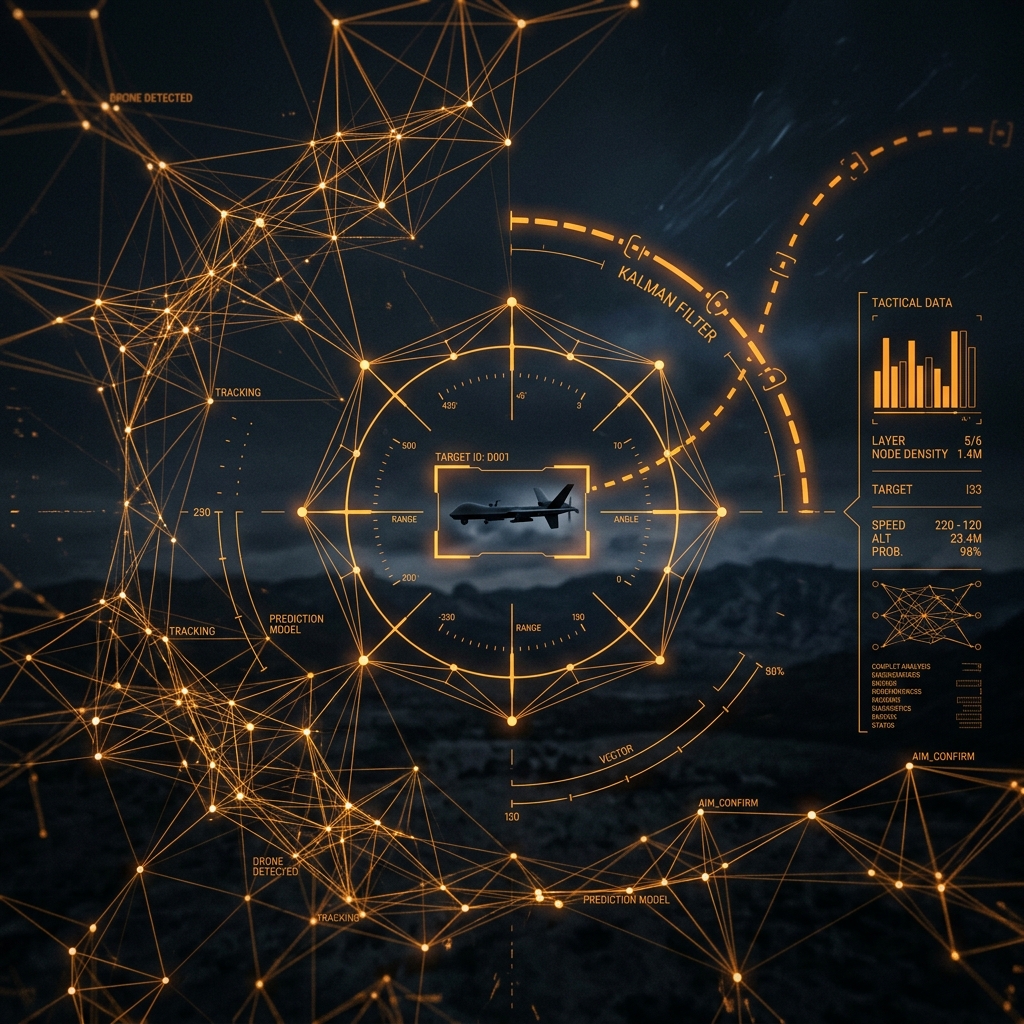
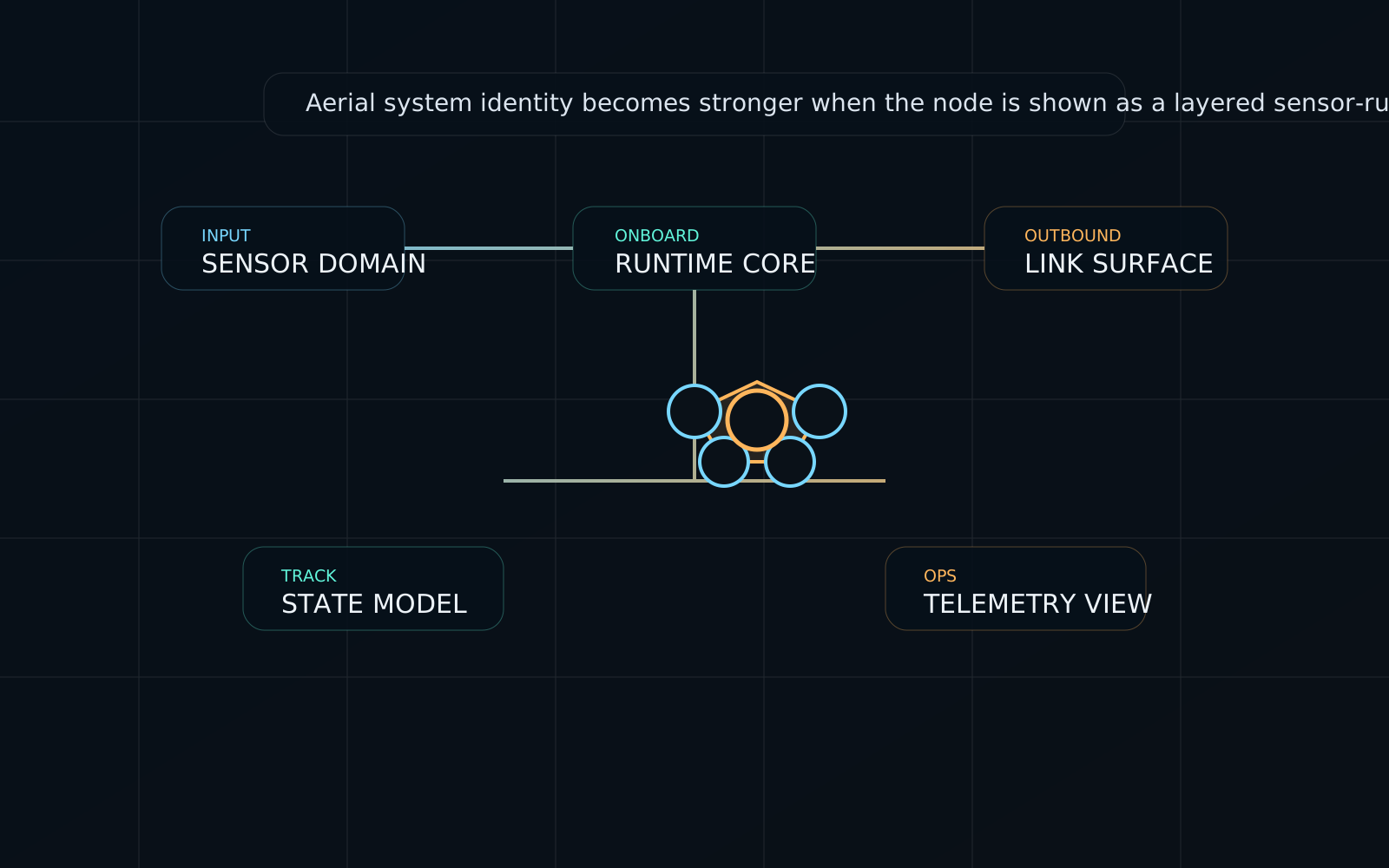
MORRA is built around a high-frequency runtime that keeps perception, telemetry, coordination,
and state transitions under one disciplined operating loop.
High-frequency loop | state transitions | filtered control | thermal discipline
Transport Fabric
High-speed internal data movement
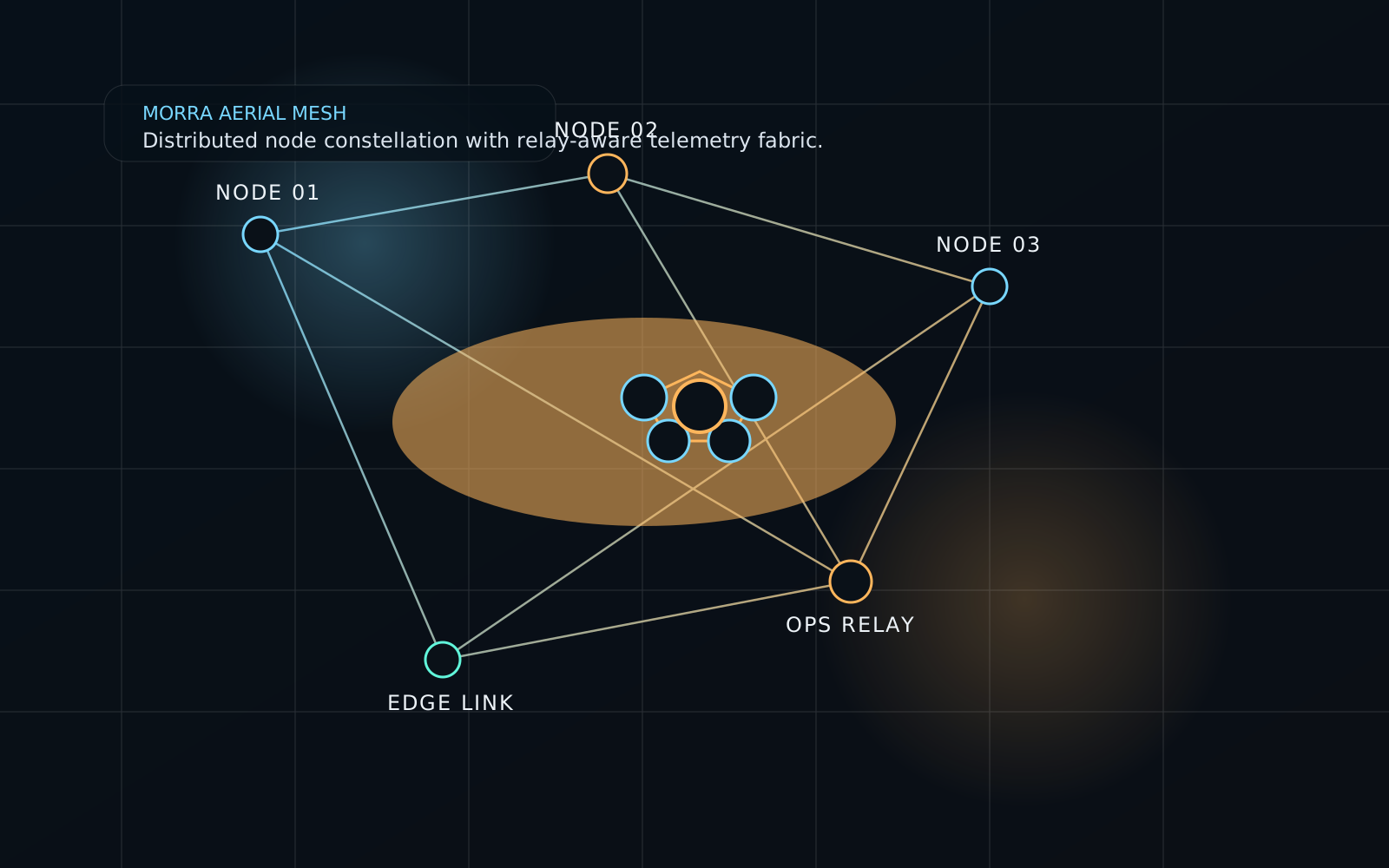
The transport layer is designed so frames, telemetry, and responses move efficiently between
subsystems without turning the local control path into the bottleneck.
Low-latency transport | fixed layouts | efficient local exchange
Inference Boundary
Isolated perception and inference domain
Perception is isolated from the main control loop, which is exactly what serious systems do
when they care about uptime, fault boundaries, and controlled degradation.
Isolated inference | controlled fault domain | runtime resilience
Hardware Layer
Hardware-aware adaptation boundary
Sensor and low-level device interaction sit behind a dedicated hardware layer so the control
shell stays legible while still respecting real-world platform constraints.
Sensor interfaces | platform adaptation | hardware-aware control
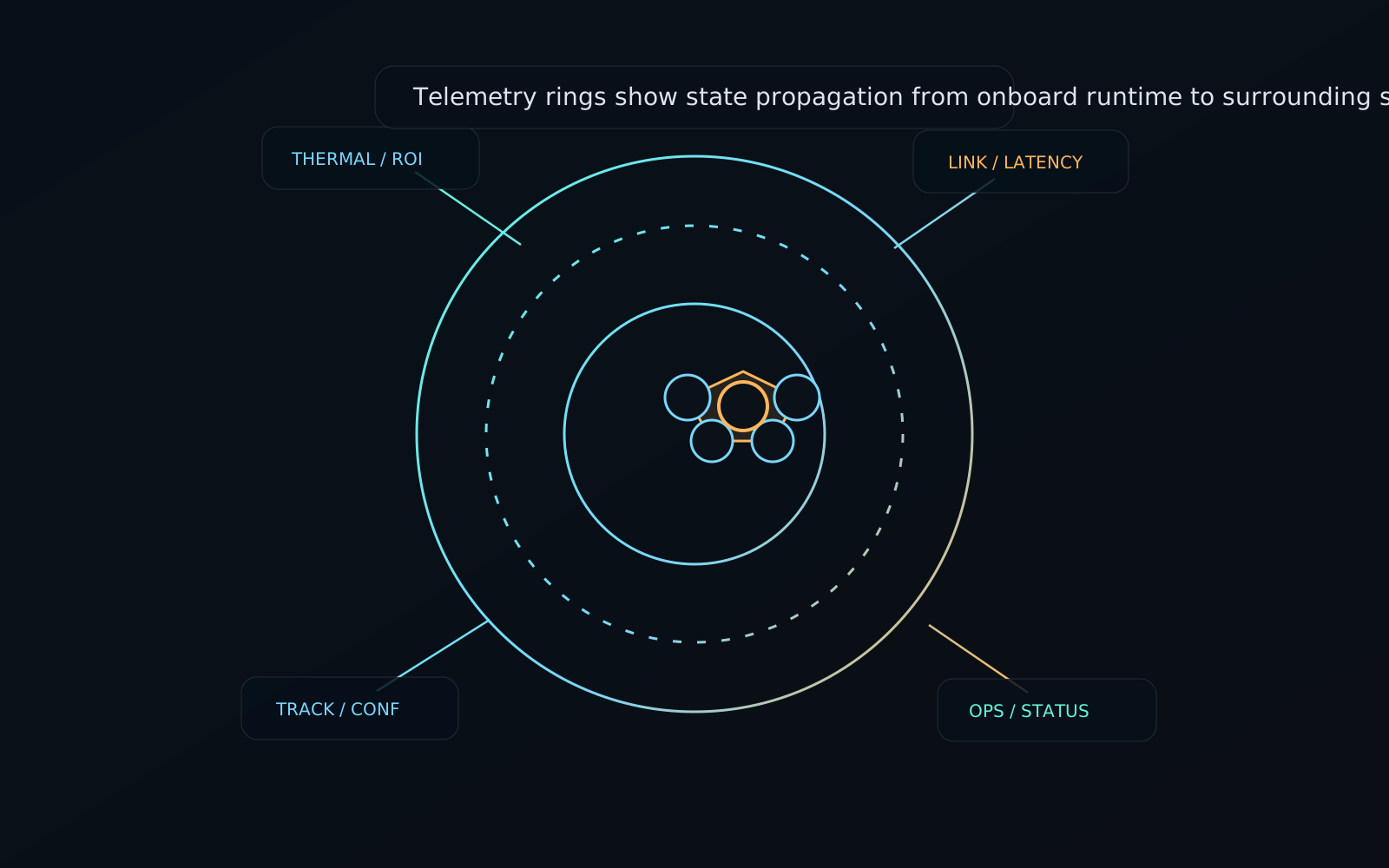
Telemetry Layer
Live operations and parameter surface
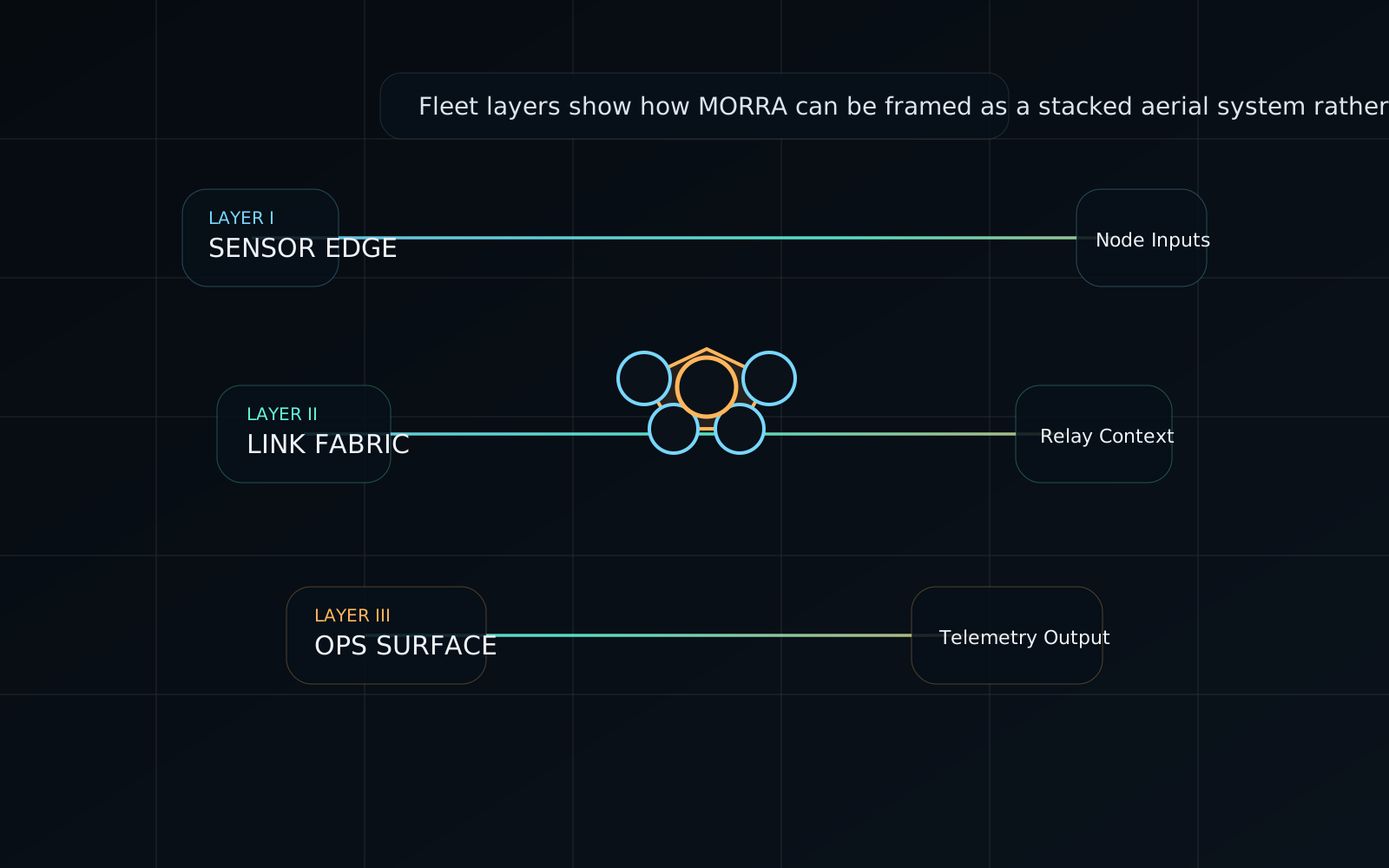
MORRA already behaves like a programmatic operations surface with live telemetry, health
visibility, and runtime parameter control rather than a sealed black box.
Live telemetry | health state | parameter control | operator observability
Command Surface
Dedicated operator-facing control environment
A separate command surface matters because it means MORRA is designed for operators, not just
engineers reading logs or internal traces.
Operator console | overlay | access control | fleet view